The way people search online is changing fast. For years, the goal of digital marketing was simple: rank on Google, get the click, and bring users to your website. But today, more users are finding answers directly in search results without clicking through to a website.
This shift is being driven by two major changes: zero-click searches and voice search SEO. Together, they are changing how businesses build visibility, measure success, and attract customers online.
For growing and established businesses, this does not mean SEO is dead. It means your SEO strategy needs to evolve. Instead of only fighting for clicks, businesses now need to focus on being visible in featured snippets, local results, AI-generated answers, voice search responses, and other search features.
At Mixed Media Ventures, we see this shift as both a challenge and an opportunity. Businesses that adapt can still win attention, build trust, and generate leads, even when the traditional click is no longer guaranteed.
The Evolving Search Landscape: Where Did All the Clicks Go?
Search engines are no longer just lists of blue links. Google now gives users answers through featured snippets, People Also Ask boxes, local packs, knowledge panels, rich results, and AI-powered summaries.
This creates a major change in user behavior. A person may search for a service, compare options, find a phone number, check business hours, read reviews, or get directions without ever visiting a website.
For businesses, this means visibility still matters, but website traffic is not the only sign of success. If your brand appears in the right search result, a user may call you, visit your location, search your business name later, or remember your brand when they are ready to buy.
The future of search is not only about getting more clicks. It is about getting found wherever your customers are looking.
What Are Zero-Click Searches?
A zero-click search happens when a user gets the answer directly on the search engine results page without clicking through to another website.
For example, someone may search “best plumber near me,” “what is a fractional CMO,” or “how long does SEO take?” Google may show a local pack, a short answer, a business profile, or a featured snippet that gives the user enough information right away.
This changes how businesses should think about SEO. Ranking on page one is still valuable, but the best result is not always the one that gets the click. Sometimes the most valuable result is the one that gives your brand immediate visibility.
Common Types of Zero-Click Search Results
There are several types of zero-click search results businesses should understand.
Featured snippets appear near the top of search results and provide a short answer to a question. These are useful for informational searches and often pull from well-structured website content.
Knowledge panels show quick facts about businesses, people, places, and organizations. They are especially important for branded searches.
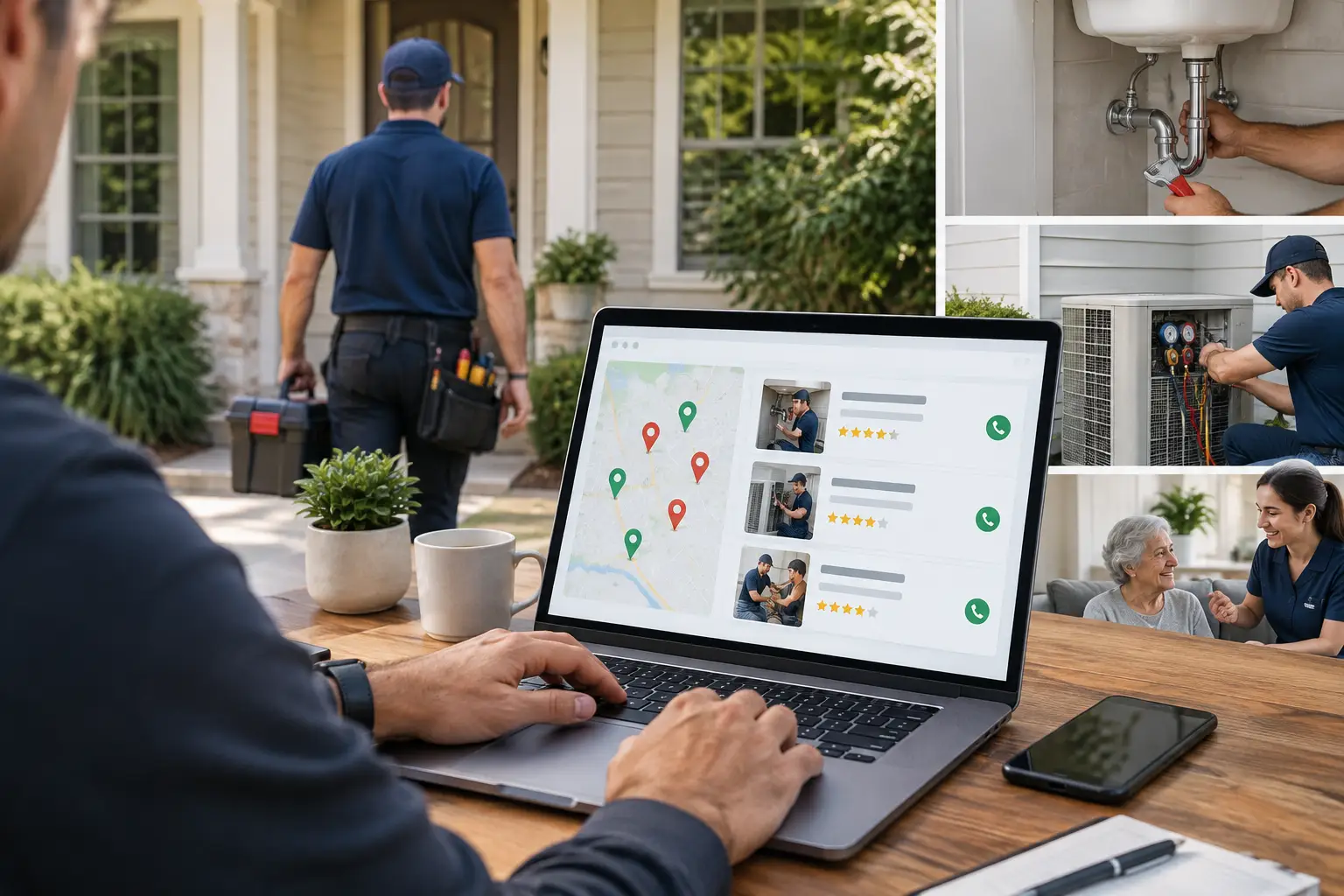
Local packs show nearby businesses with maps, phone numbers, reviews, addresses, and hours. These are critical for local service businesses.
People Also Ask boxes show related questions and answers. These are valuable for capturing users who are still researching.
Rich results show extra information such as reviews, products, prices, FAQs, events, or other enhanced details.
AI search summaries provide quick answers using information from across the web. These results are becoming more important as Google continues expanding AI-powered search experiences.
The Business Impact of Zero-Click Searches
The biggest impact of zero-click searches is that traffic numbers may decline even when brand visibility increases.
A local business may receive more phone calls from Google Business Profile but fewer website visits. A service company may appear in a featured snippet but see fewer clicks to the blog post. A brand may be mentioned in search results, but users may not enter the website until later in the buying journey.
This creates a new question: how do you measure success when users do not always click?
Businesses need to look beyond website visits. Important signals now include branded search volume, calls from search results, direction requests, Google Business Profile actions, local rankings, featured snippet visibility, and conversions from direct traffic.
If your business depends on local leads, service inquiries, or sales appointments, your SEO reporting should include more than sessions and clicks. It should connect visibility to real business outcomes. That is where a stronger digital marketing strategy becomes essential.
Voice Search SEO: Conversation Is the New Search Interface
Voice search SEO is another major shift in how customers discover information. Instead of typing short phrases, users now ask full questions through smartphones, smart speakers, cars, and voice assistants.
A typed search might be “SEO agency New Jersey.” A voice search might be “Who is the best SEO agency near me for a growing business?”
Voice search is more conversational, more specific, and often more action-driven. Users ask questions the way they speak in real life. This means your content needs to sound natural, clear, and helpful.
For businesses, voice search creates an opportunity to answer customer questions in a way that search engines and voice assistants can easily understand.
How Voice Search Is Different from Text Search
Voice search differs from traditional text search in several important ways.
Voice queries are usually longer and more conversational. People often ask complete questions instead of typing short keyword fragments.
Voice searches also have strong local intent. A user may ask for the nearest service, the best-rated company nearby, or a business that is open now.
Another key difference is that voice assistants often give one answer instead of a full list of results. That means competition for voice visibility can be even more intense.
To optimize for voice, businesses need content that answers questions directly, uses natural language, and includes location-based information where relevant.
How to Optimize for Zero-Click and Voice Search
Winning in a zero-click and voice-first search environment requires a more structured approach to content, technical SEO, and local visibility.
Structure Content for Featured Snippets
Featured snippets usually reward clear, direct answers. If your content answers a specific question in a simple and useful way, it has a better chance of being selected.
Use question-based headings, short answer paragraphs, comparison sections, and simple explanations. Your content should make it easy for search engines to understand the main answer quickly.
For example, instead of writing a vague heading like “Our Marketing Process,” use a clearer heading such as “How Does a Digital Marketing Strategy Improve Lead Generation?”
This type of structure helps both users and search engines.
Use Schema Markup and Structured Data
Schema markup helps search engines understand your content more clearly. It can support rich results, FAQs, local business details, reviews, products, events, and how-to content.
For local businesses, the LocalBusiness schema can help reinforce business details such as address, phone number, service area, and hours. For service pages, structured data can help clarify what the page is about.
Schema does not guarantee better rankings, but it improves how search engines interpret your website. For businesses with complex services, structured data can make your content easier to connect with the right search intent.
Optimize for Conversational Keywords
Traditional SEO often focuses on short keywords. Voice SEO requires more natural phrases and full questions.
Instead of only targeting “local SEO,” you may also target questions like “How can local SEO help my business get more calls?” or “Why is my business not showing up on Google Maps?”
These conversational keywords match how people actually speak. They also work well for FAQ sections, blog headings, and service page content.
A strong content plan should include both traditional keywords and question-based phrases.
Prioritize Local SEO
Local SEO is one of the biggest opportunities in a zero-click world. Many users search because they want to call, visit, book, or compare a business nearby.
To improve local visibility, make sure your Google Business Profile is complete and accurate. Add services, business hours, photos, service areas, reviews, and contact details.
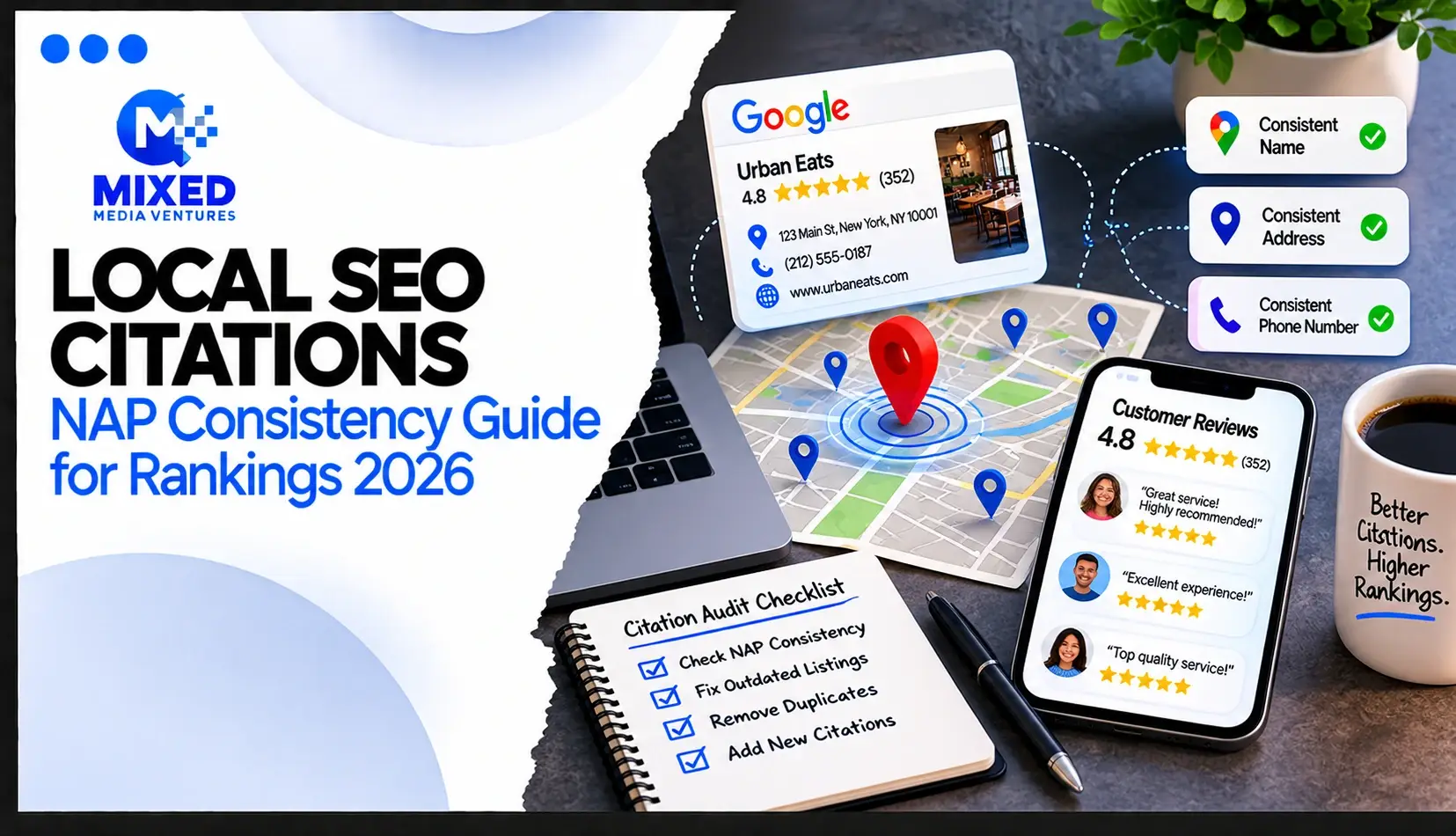
Your name, address, and phone number should be consistent across the web. You should also create location-specific content and build local authority through citations, reviews, and relevant backlinks.
For businesses serving New Jersey, New York, Las Vegas, South Florida, or other competitive markets, local SEO can be one of the strongest lead-generation channels.
Improve Mobile Page Experience
Most voice searches happen on mobile devices, and many zero-click interactions start from mobile search results. This makes mobile SEO essential.
Your website should load quickly, work smoothly on every screen size, and make it easy for users to call, book, or request information.
A slow or confusing mobile experience can cost you leads, even if your rankings are strong. Fast pages, clear calls to action, clickable phone numbers, and simple navigation all support better search performance.
Create Strong FAQ Content
FAQ content is one of the best ways to support voice search optimization, featured snippets, and AI-style search results.
FAQs allow you to answer real customer questions in a clear format. They also help search engines understand the problems your business solves.
Each answer should be concise but useful. If the topic needs more detail, link users to a related blog, service page, or case study.
This approach works especially well for businesses offering SEO, PPC, CRM, automation, web design, and Fractional CMO services. A strong FAQ section can guide users from simple questions to deeper pages, such as Fractional CMO services.
Measuring SEO Success Without the Click
When clicks are not the only goal, your SEO reporting must evolve.
Track branded search volume to see whether more people are searching for your company by name. Review Google Business Profile actions, including phone calls, website clicks, bookings, messages, and direction requests.
Monitor featured snippet rankings, People Also Ask visibility, local pack rankings, and rich result appearances. Also, watch direct traffic patterns, since users may discover your brand in search and return later by typing your website directly.
For lead-based businesses, the most important metric is not always traffic. It is qualified leads, booked calls, form submissions, and revenue impact.
This is why tools like CRM tracking and attribution matter. When your marketing data is connected to your sales process, you can see which channels actually create customers. A platform like SalesPilot CRM can help connect lead sources, follow-up, and revenue outcomes.
The Future of Search Discovery Is Already Here
Search will continue to become more visual, conversational, and AI-assisted. Businesses need to prepare for more than traditional search results.
Multimodal Search
Multimodal search allows users to search using a combination of text, images, voice, and video. Instead of only typing a query, a user may upload a photo and ask a question about it.
This means businesses need content in multiple formats, including text, images, videos, transcripts, and optimized visuals.
AI-Generated Search Summaries
AI-generated search results are changing how users consume information. Search engines can now summarize topics directly inside the results page.
For businesses, this means content must be clear, trustworthy, and well-structured. AI search systems need to understand who you are, what you offer, and why your content is helpful.
Visual Search Growth
Visual search tools allow users to search with a camera instead of words. This is especially important for eCommerce, home services, local businesses, design, real estate, and visual industries.
Optimized images, descriptive file names, alt text, and helpful surrounding content can improve discoverability.
Ambient Search
Search is becoming more integrated into daily life. Smart devices, cars, home assistants, and apps can surface answers before users even visit a website.
This makes brand trust, clear information, and consistent business data more important than ever.
Strategies for Future-Proofing Your Digital Presence
Businesses that want to stay visible need to build a stronger digital foundation.
Embrace Entity-Based SEO
Entity-based SEO focuses on helping search engines understand your brand, services, people, locations, and expertise.
This includes consistent business information, strong About pages, service pages, author information, structured data, and clear connections between your website and other trusted online profiles.
Create Multi-Format Content
Your content should work across search formats. Blog posts can become videos. Videos can include transcripts. Service pages can include FAQs. Case studies can become social posts, Web Stories, and email content.
This makes your brand easier to discover across traditional search, voice search, AI search, and social platforms.
Build Direct Audience Relationships
As search results provide more answers directly, businesses should not depend only on Google traffic.
Email marketing, remarketing, social media, community building, and CRM-based follow-up help you build direct relationships with prospects and customers.
Use First-Party Data
First-party data is information your business collects directly from customers and leads. This includes form submissions, email engagement, call data, CRM activity, and purchase history.
Using first-party data ethically can help you personalize follow-up, understand buyer behavior, and improve marketing performance.
Focus on Need Fulfillment
The best content does more than provide information. It helps users solve a problem.
Interactive tools, calculators, audits, checklists, comparison pages, and guided forms can offer value that a simple search result cannot fully replace.
Invest in Technical SEO
Technical excellence is becoming more important. Your website should be fast, secure, mobile-friendly, accessible, and easy for search engines to crawl.
Structured data, clean navigation, optimized images, Core Web Vitals, and proper indexing all support long-term visibility.
For businesses that want to understand what is working now, reviewing real performance examples through case studies can help connect SEO improvements to business results.
Conclusion: Visibility Beyond the Click
The future of search is not only about website visits. It is about online visibility, trust, and being present wherever customers are looking for answers.
Zero-click searches, voice SEO, AI summaries, local packs, and visual search are all changing how users discover businesses. Companies that continue measuring only clicks may miss the bigger picture.
The businesses that will win are the ones that adapt their content, local SEO, structured data, mobile experience, and tracking systems. When your brand provides value at every touchpoint, users can find you even when they do not immediately click.
In a zero-click and voice-first future, being found is still the goal. The path to getting found is simply changing.
Do not let your customers slip away. Connect with Mixed Media Ventures for a no-obligation audit and make sure your business is ready for the future of search.
Schedule a strategy session at Mixed Media Ventures, email [email protected], or call (732) 724-0631.
FAQs About Zero-Click Searches and Voice SEO
What is a zero-click search?
A zero-click search is a search where the user gets the answer directly on the results page without clicking a website. Examples include featured snippets, local packs, knowledge panels, People Also Ask answers, and AI-generated summaries.
Is SEO still important if users do not click?
Yes. SEO is still important because visibility can lead to calls, branded searches, store visits, direct traffic, and future conversions. The goal is not only to get clicks but to make your brand visible when customers are searching.
How do I optimize for voice search?
To optimize for voice search, use natural language, answer full questions, include local details, create FAQ sections, and make sure your website is mobile-friendly and fast.
Do zero-click searches hurt website traffic?
They can reduce some website clicks, especially for simple informational queries. However, they can also increase brand visibility, local actions, and customer trust when your business appears in high-value search features.
What type of content works best for voice SEO?
Question-based content, FAQs, how-to guides, local service pages, and clear short answers work well for voice SEO because they match how people naturally ask questions.