No Time to Read the Blog Post? Listen to the Podcast Here…
The Convergence of Digital and Physical Worlds
If you’ve been watching marketing trends lately, you’ve likely come across the term “phygital” marketing. It sounds like another buzzword, but it represents something fundamentally transformative for businesses of all sizes. Phygital marketing, the strategic blend of physical and digital experiences, has rapidly evolved from a novel concept to an essential business strategy in 2025.
As the president of Mixed Media Ventures, I’ve watched this transformation accelerate dramatically over the past two years. The lines between online shopping, in store experiences, social media engagement, and video content have not just blurred; they’ve fundamentally merged.
In this post, I’ll break down how video marketing, social commerce, and phygital strategies are converging to create new opportunities for businesses, and more importantly, what your company needs to do about it right now.
The Evolution of Video Marketing in 2025
Video content isn’t new, but how we create, consume, and interact with it has undergone a massive transformation. Today’s video marketing landscape is defined by several key trends that are reshaping customer engagement.
AI Powered Production: Democratizing Video Creation
One of the most significant developments is how AI has revolutionized video production. What once required expensive equipment and specialized skills is now accessible to businesses of all sizes. AI tools now automate editing, generate captions, and even assist in writing scripts, reducing production time and costs while maintaining professional quality.
“The democratization of video production through AI has been a game changer for small businesses,” says marketing technology analyst Maya Reynolds. “Companies that previously couldn’t afford video marketing are now producing content that rivals major brands in terms of quality and engagement.”
These AI production tools have become particularly valuable for creating personalized content at scale, a feat that was previously impossible just a few years ago. Customers now expect personalized experiences, and AI enables the efficient delivery of these experiences.
Short Form Dominance and Vertical Optimization
Short form video continues to dominate engagement metrics across platforms. According to recent industry surveys, bite sized videos generate the highest return on investment (ROI) for nearly 40% of video marketers. This isn’t surprising when you consider how consumption habits have evolved, particularly on mobile devices.
Speaking of mobile, vertical video has become the standard format for most social platforms. With over 75% of video viewing occurring on mobile devices, optimizing for the vertical experience is no longer optional, it’s essential for reaching your audience where they are.
Interactive Video: From Passive Viewing to Active Engagement
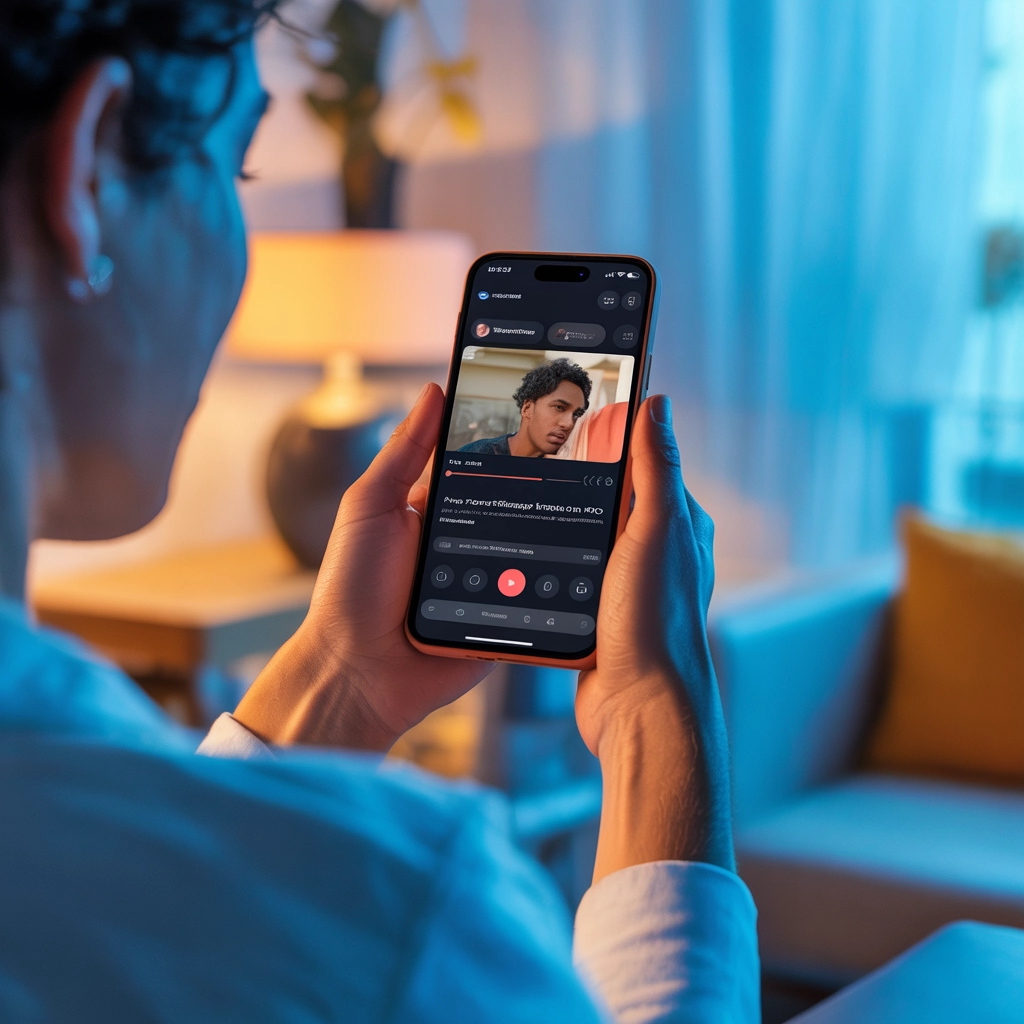
Perhaps the most exciting development is the rise of interactive video content. Unlike traditional passive videos, interactive content prompts viewers to take action, whether by clicking embedded links, answering questions, or participating in polls. These videos show significantly higher click through rates than their passive counterparts, sometimes by margins of 3 – 5x.
What makes interactive video particularly powerful is its ability to capture data on viewer preferences and behaviors, creating a feedback loop that helps refine your marketing strategy. This isn’t just about engagement, it’s about creating a two way conversation with your audience.
Social Commerce: Where Content Meets Conversion
Social commerce represents the natural evolution of social media marketing, moving beyond brand awareness to direct sales opportunities. This shift is fundamentally changing how businesses approach their social media strategy.
Shoppable Video: The Ultimate Convenience
The integration of shopping functionality directly into video content has eliminated traditional friction points in the customer journey. Viewers can now purchase products they see in videos without leaving the platform, creating a seamless path from discovery to purchase.
This functionality is now available across most major platforms, including Instagram, TikTok, YouTube, and Facebook. Each platform offers slightly different implementations, but the core concept remains the same: allowing customers to shop at the moment of inspiration.
For businesses, this means reconsidering how product demonstrations, tutorials, and lifestyle content can be leveraged to create direct sales opportunities. The content still needs to provide value, but it can now serve a dual purpose of education and conversion.
Livestream Shopping: Real Time Engagement and Sales
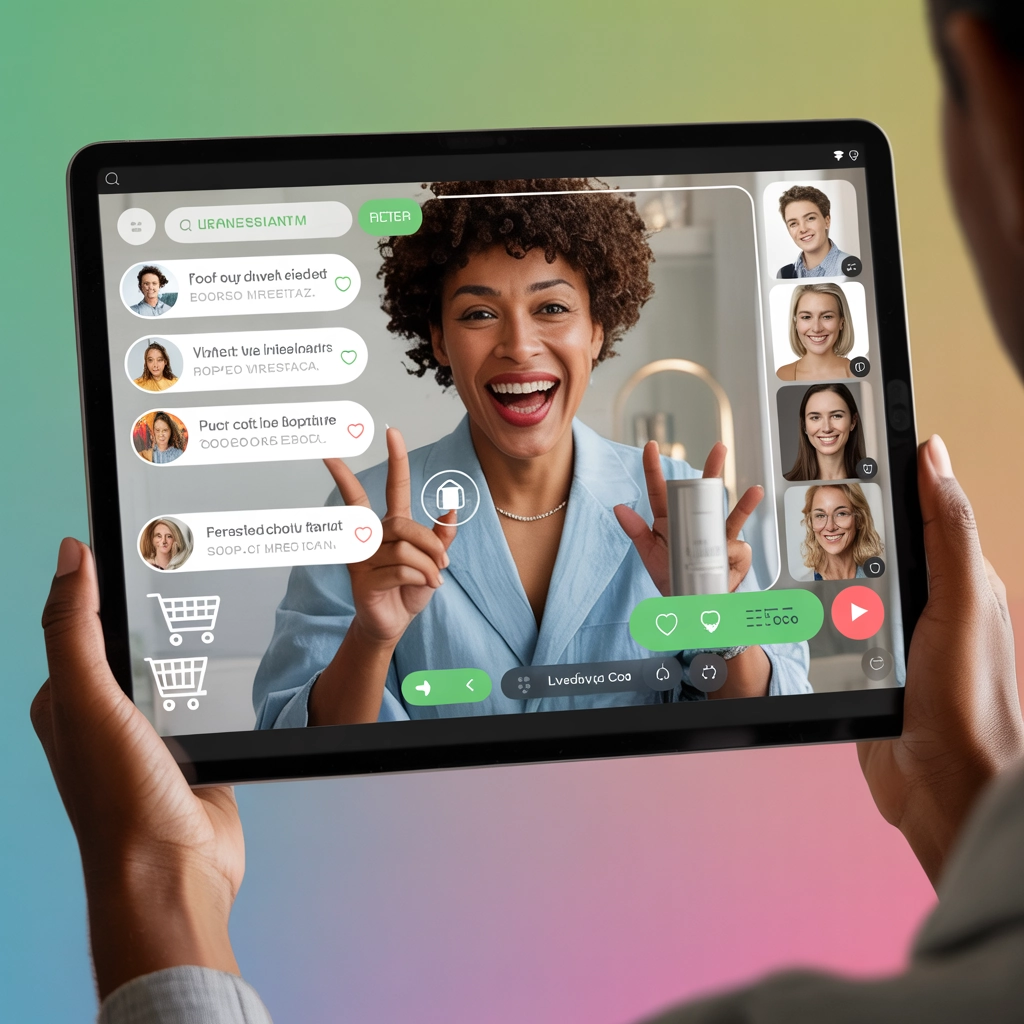
Livestream shopping has experienced explosive growth in popularity, seamlessly combining entertainment, education, and commerce in real time events. These sessions allow hosts to showcase products, answer questions, and create limited time offers that drive immediate purchasing decisions.
What makes livestream shopping particularly effective is the sense of urgency and community it creates. Viewers can interact with hosts and other shoppers, ask questions, and see products demonstrated in real time. This addresses many of the hesitations customers might have when shopping online, particularly for products where fit, texture, or functionality might be concerns.
The “Phygital” Revolution: Blending Physical and Digital Experiences
At its core, phygital marketing seeks to combine the best aspects of physical and digital experiences. Physical experiences offer tangibility, personal connection, and immersion that digital often lacks. Digital experiences offer convenience, personalization, and scale that physical experiences struggle to match. Together, they create something more powerful than either alone.
Technologies Enabling Phygital Experiences
Several key technologies are making phygital marketing possible:
- Augmented Reality (AR): Allows customers to visualize products in their own environment before purchasing
- QR Codes: Connect physical locations or products to digital experiences
- NFC Technology: Enables contactless interactions with physical objects
- Location Based Marketing: Delivers personalized content based on physical location
- Interactive Displays: Transform passive retail environments into interactive experiences
The most effective phygital strategies don’t treat these as gimmicks but as tools to solve specific customer pain points or enhance particular moments in the customer journey.
Real World Applications That Drive Results
The most successful phygital campaigns are those that solve real customer problems. For example:
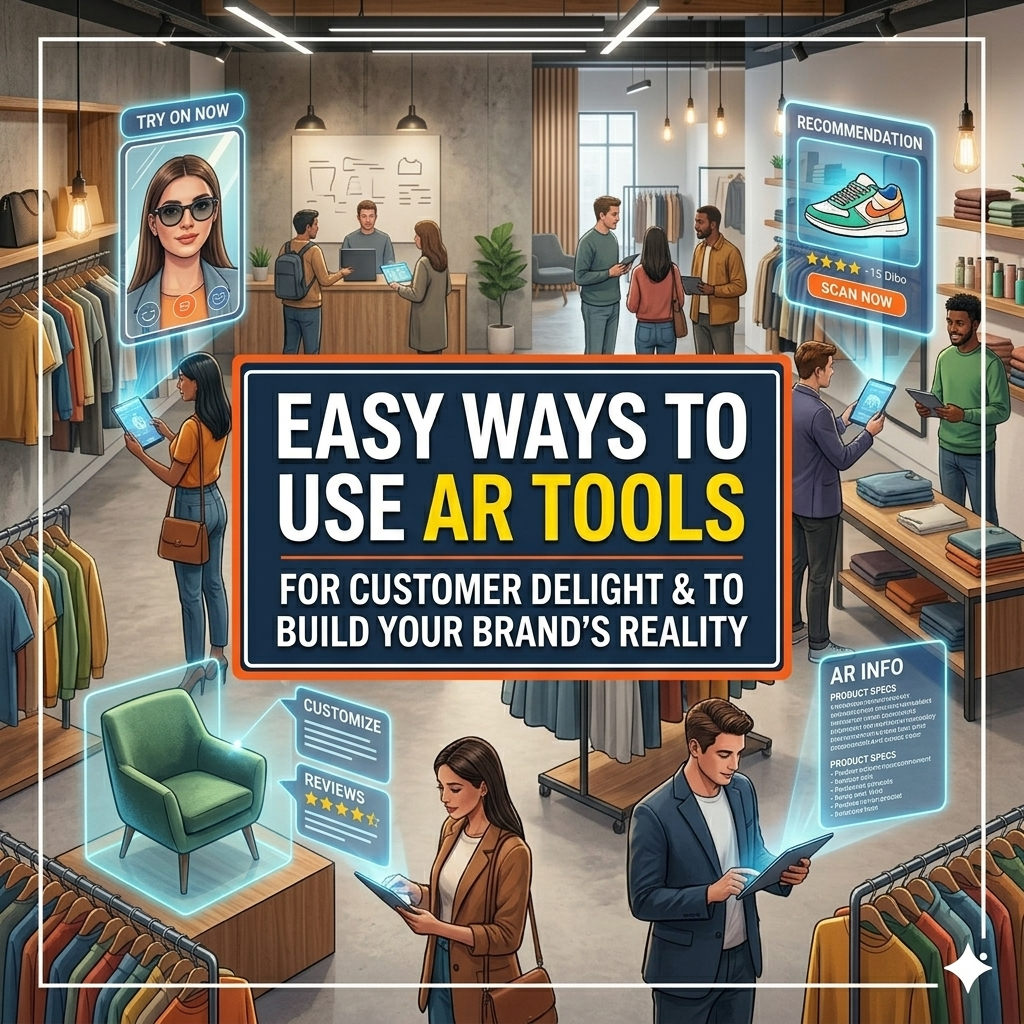
- Furniture retailers are using AR to help customers visualize how pieces will look in their homes
- Restaurants are using QR codes to provide interactive digital menus with rich content about ingredients and preparation
- Clothing brands are creating smart fitting rooms that recommend complementary items based on what customers are trying on
- Museums are creating location based audio guides that automatically trigger based on where visitors are standing
These examples share a common thread: they don’t use technology for its own sake but to create genuinely better customer experiences.
Implementing Phygital Strategies in Your Business
The good news is that implementing phygital marketing doesn’t require a complete overhaul of your business model or massive technology investments. Here’s how to get started:
Start Small: Accessible Entry Points
Begin with targeted implementations that address specific customer needs:
- QR Codes: One of the simplest phygital tools, QR codes enable the connection of physical marketing materials to digital experiences. Use them on packaging, in store displays, or print advertisements to provide additional information, video content, or exclusive offers.
- Shoppable Social Content: Start creating content that leverages shoppable features on the platforms where your audience is most active. This doesn’t require new technology; it just needs a strategic approach to your existing social content.
- Interactive Video: Tools for creating basic interactive videos are now accessible to businesses of all sizes. Start by adding simple interactions, such as clickable product links or polls, to your existing video content.
Measurement: Define Success Metrics Early
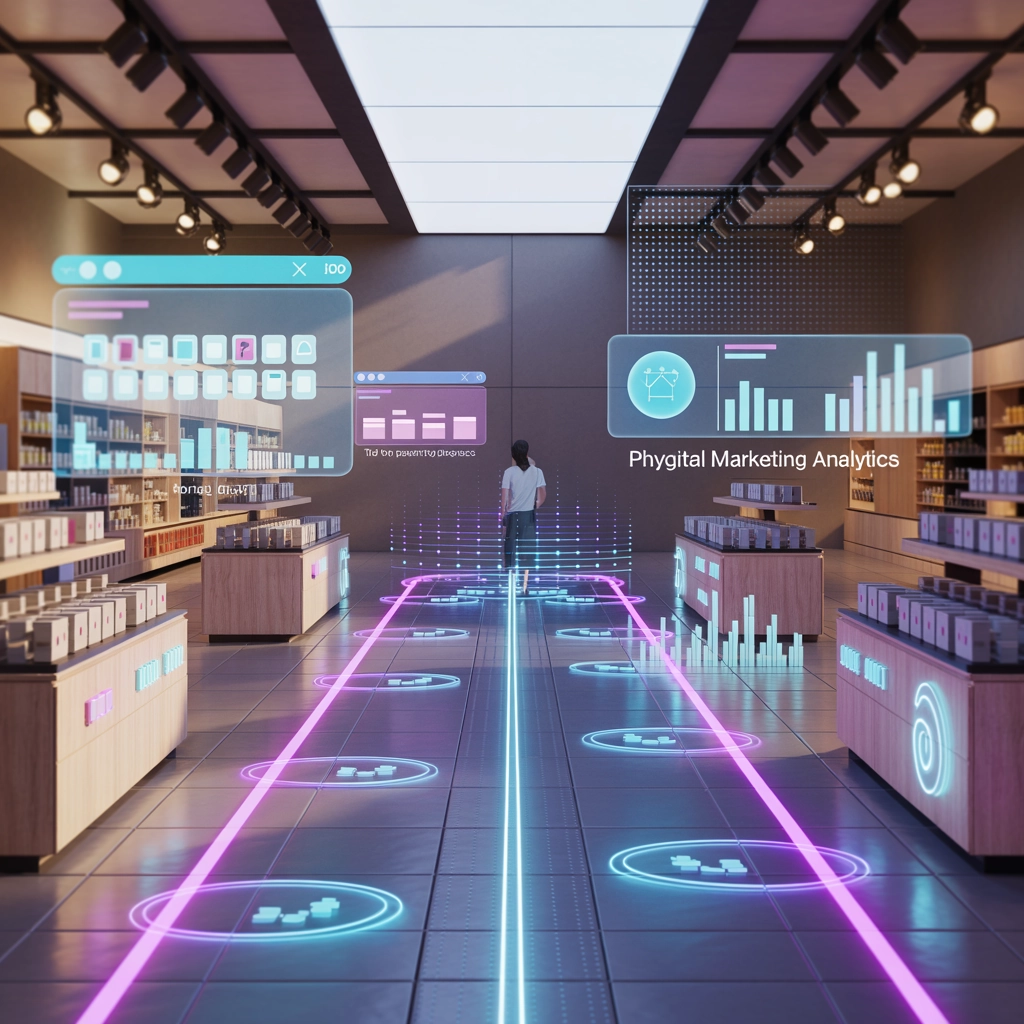
Before implementing any phygital strategy, clearly define how you’ll measure success. Depending on your objectives, key metrics might include:
- Engagement rates with interactive elements
- Conversion rates from physical to digital touchpoints
- Time spent with interactive content
- Customer feedback and satisfaction scores
- Direct sales attributed to phygital initiatives
The right metrics will depend on your specific business goals, but the important thing is to establish them before implementation so you can properly evaluate results.
Future Trends: Staying Ahead of the Curve
The phygital landscape continues to evolve rapidly. Here are some emerging trends to watch:
Voice and Gesture Interfaces
As voice and gesture recognition technology improves, we’re seeing more marketing experiences that don’t require screens or physical touch. This opens new possibilities for hands free shopping and interaction. At Mixed Media Ventures, we help businesses implement voice AI solutions that enhance customer experiences across all channels.
AI Driven Personalization at Scale
The next frontier in phygital marketing is hyper personalization, which utilizes AI to create unique experiences tailored to each customer’s preferences, behavior, and context. This goes beyond recommending products to tailoring entire experiences.
Virtual Shopping Spaces
As virtual reality technology becomes more accessible, we’re seeing the emergence of fully virtual shopping environments that offer the immersion of physical retail with the convenience of e commerce. These spaces enable customers to interact with products and one another in ways that traditional e commerce can’t match.
The Future Is “Phygital”
The convergence of video marketing, social commerce, and phygital experiences represents one of the most significant shifts in marketing strategy we’ve seen in decades. This isn’t just about adopting new technologies; it’s about fundamentally rethinking how customers discover, engage with, and purchase products.
For businesses willing to embrace these changes, the opportunities are enormous. Phygital marketing allows you to:
- Create more engaging and memorable customer experiences
- Reduce friction in the customer journey
- Collect valuable data on customer preferences and behaviors
- Stand out in an increasingly crowded marketplace
- Drive both online and offline conversions
The key is to approach phygital marketing not as a series of technological implementations but as a customer centric strategy that uses technology to solve real problems and enhance real experiences.
Ready to explore how phygital marketing strategies could transform your business? At Mixed Media Ventures, we specialize in helping businesses navigate this evolving landscape. Contact us today for a competitive analysis that will show you how your business can leverage these trends to gain a competitive edge.
The future of marketing isn’t just digital or physical, it’s phygital. And that future is already here.