The AR Marketing Revolution
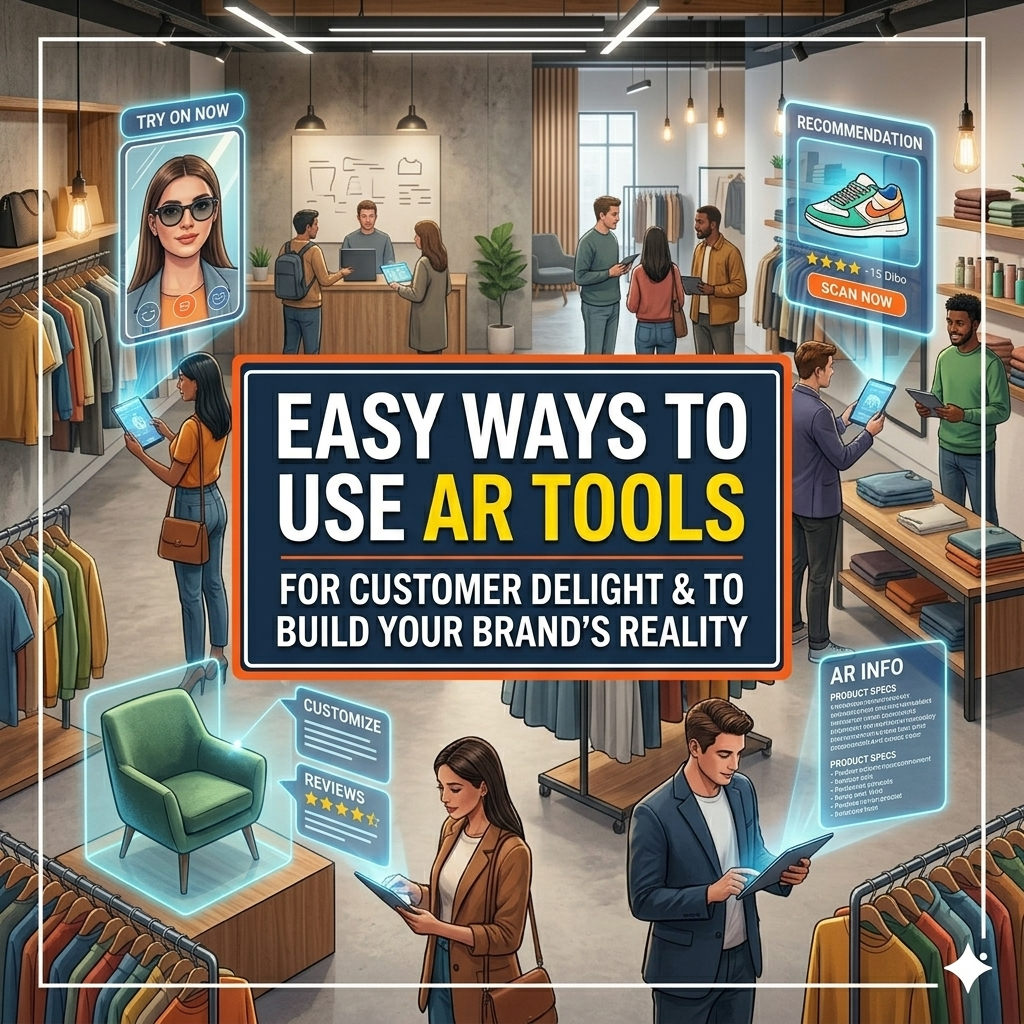
In today’s hyper competitive digital landscape, creating memorable customer experiences isn’t just nice to have; it’s essential for brand differentiation. Augmented reality (AR) has emerged as a powerful tool that allows brands to transcend traditional marketing boundaries and create immersive, interactive experiences that customers genuinely enjoy engaging with.
At Mixed Media Ventures, we’ve watched AR evolve from a novelty technology to a mainstream marketing channel that delivers measurable results. The statistics speak for themselves: AR experiences typically see 70% higher engagement rates than traditional media, and brands implementing AR strategies report conversion increases of up to 40%.
This isn’t just about following trends; it’s about leveraging technology that fundamentally changes how customers interact with your brand. Let’s explore how you can implement AR tools to create delightful customer experiences that drive real business results.
Why AR Creates Customer Delight
Before diving into implementation strategies, it’s important to understand why AR is particularly effective at creating customer delight:
Novelty and Surprise
Despite increasing adoption, AR experiences still maintain an element of surprise. When customers discover they can virtually try on products or interact with your packaging in unexpected ways, it creates a sense of discovery and play.
Solving Real Customer Pain Points
“The most successful AR implementations address actual customer needs rather than simply showcasing technology,” notes Sarah Johnson, Digital Experience Director at Retail Innovation Group. “Virtual try before you buy experiences solve genuine customer problems around visualization and confidence in purchase decisions.”
Creating Emotional Connections
AR experiences engage multiple senses and create memorable moments that forge stronger emotional connections with brands. These connections translate directly to brand loyalty and advocacy.
Reducing Purchase Anxiety
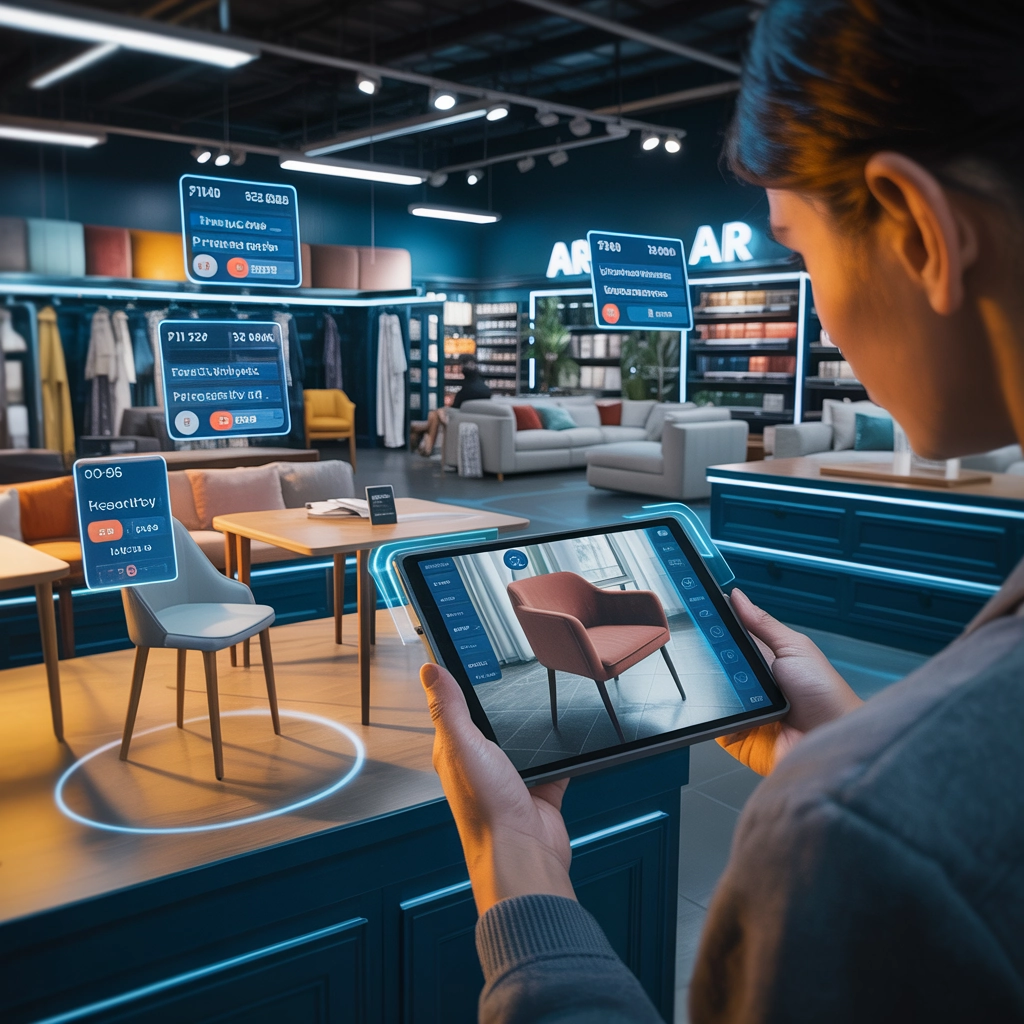
For products that traditionally require visualization (such as furniture, cosmetics, and apparel), AR removes a significant barrier to purchase by allowing customers to see products in their own context before making a purchase.
5 Easy AR Implementation Strategies
1. Virtual Try On Experiences
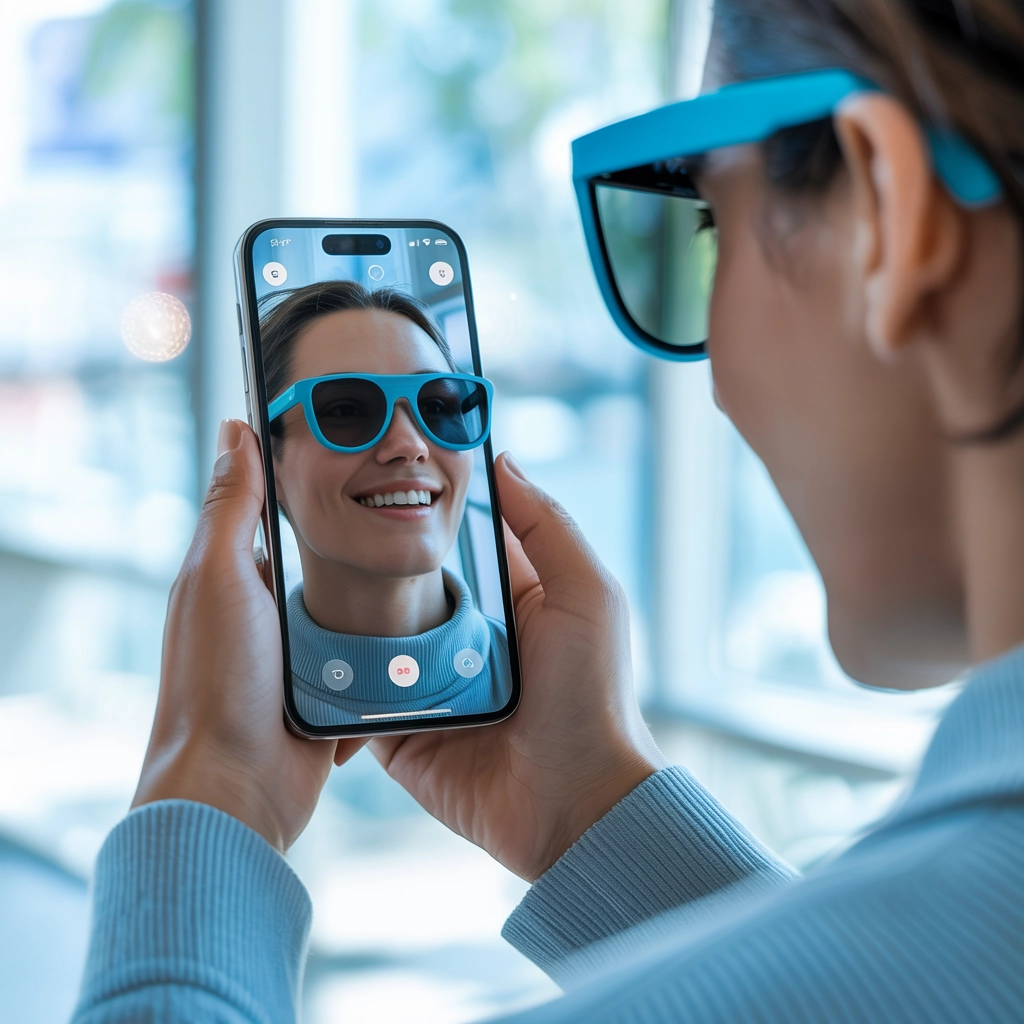
Virtual try on technology has matured rapidly and now represents one of the most accessible and effective AR implementations for brands.
How It Works: Customers use their device camera to see products virtually overlaid on themselves or their environment. This works particularly well for:
- Cosmetics and beauty products
- Eyewear and accessories
- Apparel and footwear
- Home furnishings and decor
Implementation Tips:
- Start with existing platforms like Snapchat’s Shopping Lenses or Instagram’s AR try on features
- Focus on accurate representation of products (colors, textures, sizes)
- Ensure the experience works across various lighting conditions and skin tones
- Include easy pathways to purchase directly from the AR experience
Success Metrics:
Virtual try on experiences typically reduce return rates by 25 40% while increasing conversion rates by up to 80% for certain product categories. This represents both cost savings and revenue enhancement.
2. Interactive AR Games and Experiences
Gamified AR experiences transform passive marketing into interactive entertainment that customers actively seek out.
How It Works: Create games or interactive experiences triggered by your products, packaging, or marketing materials that encourage engagement through play.
Examples:
- Treasure hunts in retail locations
- Product packaging that transforms into game elements
- Interactive billboard or print ads that come to life
- Branded filters and games within social platforms
According to recent industry data, branded AR games see an average of 4× longer engagement than traditional digital ads, with significantly higher share rates.
Implementation Tips:
- Keep experiences short (1 3 minutes) but repeatable
- Ensure clear instructions for first time AR users
- Include social sharing capabilities
- Offer rewards or incentives for completion
“The key to successful AR gamification is balancing entertainment with brand messaging,” explains Michael Torres, Creative Technology Director at Mixed Media Ventures. “The experience should be fun enough that users want to engage, but branded enough that it reinforces your marketing objectives.”
3. Educational AR Product Experiences
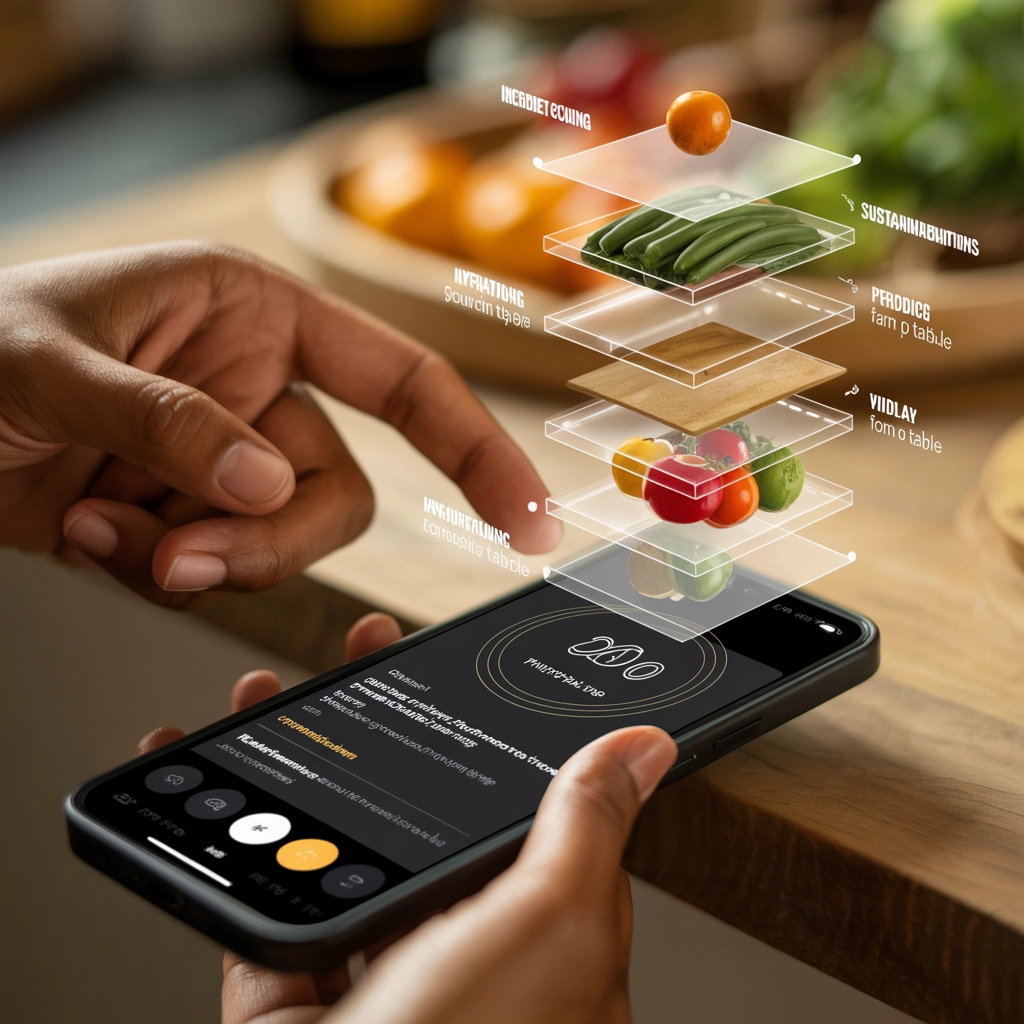
AR excels at explaining complex products or showcasing hidden features through visual overlays and interactive elements.
How It Works: Create AR experiences that reveal additional information, demonstration videos, or interactive features when a customer scans your product or marketing materials.
Applications:
- Assembly instructions for complex products
- Ingredient spotlights for food and beverage
- Feature demonstrations for electronics
- Sustainability and sourcing information
Implementation Tips:
- Use QR codes or image recognition to trigger experiences
- Layer information thoughtfully to avoid overwhelming users
- Include both text and visual/video content
- Consider translation options for global products
Educational AR experiences have been shown to increase product understanding by up to 60% compared to traditional packaging information, leading to higher customer satisfaction and fewer support inquiries.
4. Social AR Filters and Effects
Perhaps the most accessible entry point to AR marketing, social filters allow brands to create shareable, branded experiences that spread organically.
How It Works: Create custom AR filters for platforms like Instagram, Snapchat, or TikTok that incorporate your brand elements while offering entertaining or useful functionality.
Popular Applications:
- Virtual product try ons
- Brand themed face filters and effects
- Environment transformation effects
- Event specific celebration filters
Implementation Tips:
- Work with platform specific development tools or partners
- Focus on shareability and aesthetic appeal
- Include subtle but clear branding elements
- Partner with influencers to drive initial adoption
Our research at Mixed Media Ventures has found that well designed AR filters generate 35% more shares than standard social media posts, resulting in significant earned media value. For more insights on maximizing social media ROI, check out our comprehensive guide on digital marketing strategies.
5. Location Based AR Experiences
Location based AR creates context aware experiences that enhance physical spaces, events, or retail environments.
How It Works: Deliver AR content triggered by specific locations or proximity to create immersive experiences that blend digital content with physical spaces.
Applications:
- In store navigation and product information
- Location specific promotions and offers
- Enhanced event experiences
- Tourist and visitor information for venues
Implementation Tips:
- Consider WiFi connectivity and ensure experiences work offline
- Use visual markers as backups for GPS in indoor environments
- Design for quick loading and battery efficiency
- Create clear user instructions in the physical space
“Location based AR creates a bridge between digital and physical retail,” notes retail strategist Jennifer Martinez. “Brands that successfully implement these experiences see 27% higher in store conversion rates and significantly increased dwell times.”
For additional insights on implementing location based marketing strategies, visit our guide on local digital marketing tactics.
Implementation Considerations: Starting Your AR Journey
Technology Selection
The AR implementation landscape offers multiple entry points based on your budget, technical capabilities, and objectives:
- WebAR Solutions: Browser based AR experiences that don’t require app downloads. Ideal for broad accessibility and quick implementation.
- Social Platform Tools: Native AR development environments within Instagram, Snapchat, TikTok, and other platforms. Best for social focused campaigns.
- Custom AR Applications: Dedicated apps offering the highest level of customization but requiring a more significant investment and user commitment.
- AR Development Partners: Agencies and technology partners who can implement AR experiences on your behalf.
At Mixed Media Ventures, we typically recommend starting with WebAR or social platform tools for brands new to augmented reality, as they offer the lowest barriers to entry while still delivering impressive results. For more comprehensive digital transformation strategies, visit our Digital Marketing Services page.
Budget Considerations
AR implementation costs vary widely based on complexity:
- Entry Level: Social filters and basic WebAR experiences can be developed for $1,000 5,000
- Mid Range: Interactive WebAR experiences and more complex social AR typically range from $5,000 15,000
- Advanced: Custom AR apps and comprehensive campaigns generally start at $15,000+
Many brands find success with a phased approach, starting with simpler implementations and reinvesting based on performance.
Technical Requirements
Before launching an AR campaign, ensure you’ve addressed these technical considerations:
- 3D Asset Creation: High quality 3D models of products
- User Experience Design: Intuitive AR interfaces and instructions
- Cross Device Testing: Ensuring functionality across iOS and Android
- Analytics Integration: Tracking user engagement and conversion
- Bandwidth Requirements: Optimizing for varying connection speeds
Measuring AR Campaign Success
Effective measurement is crucial for demonstrating AR ROI and improving future implementations:
Engagement Metrics
- AR session duration
- Interaction rate
- Repeat usage
- Social shares and UGC creation
Business Impact Metrics
- Conversion rate impact
- Average order value changes
- Return rate reduction
- Customer satisfaction scores
Brand Metrics
- Brand recall lift
- Sentiment analysis
- Purchase intent
- Customer feedback
Implementing proper tracking from the start is essential. We recommend creating a measurement framework that balances immediate engagement metrics with longer term business impact assessment.
AR Marketing Success Stories
Beauty Brand Virtual Try On
A mid sized cosmetics brand implemented virtual try on technology for its lipstick line, allowing customers to see how different shades would look on their own face before purchasing.
Results:
- 78% increase in conversion rate
- 31% reduction in returns
- 2.2× increase in average time on site
- 40% of users tried 5+ different shades
Furniture Retailer Room Visualization
A home furnishings company created an AR tool allowing customers to visualize furniture pieces in their own homes before purchase.
Results:
- 35% increase in conversion rate
- 25% higher average order value
- 62% decrease in “fit/size” related returns
- 4.8/5 customer satisfaction rating
Beverage Brand Packaging Experience
A craft beverage company implemented AR enabled packaging that revealed product sourcing stories, cocktail recipes, and music playlists when scanned.
Results:
- 320% increase in packaging engagement
- 28% increase in repeat purchases
- 45,000+ unique AR experiences in first month
- Significant social media sharing and earned media coverage
Future Trends in AR Marketing
As we look ahead, several emerging trends will shape the future of AR marketing:
Spatial Computing Integration
With the rise of devices like Apple Vision Pro and Meta’s AR glasses, we’re moving toward more seamless spatial computing experiences that blur the line between digital and physical even further.
AI Enhanced AR
Artificial intelligence is making AR experiences more personalized and responsive. From real time personalization to contextual awareness, AI will make AR experiences feel more natural and relevant. For more on AI marketing integration, visit our Voice AI solutions page.
AR Commerce Standardization
Major platforms are standardizing AR commerce capabilities, making implementation more accessible for brands of all sizes. Expect easier integration with existing e commerce platforms.
Cross Platform AR Experiences
The industry is moving toward AR experiences that work seamlessly across devices, platforms, and contexts, reducing fragmentation and improving accessibility.
Starting Your AR Journey
Augmented reality has evolved from an experimental technology to a proven marketing tool that delivers measurable results. By implementing the strategies outlined in this article, brands of all sizes can create delightful customer experiences that foster engagement, drive conversions, and cultivate loyalty.
The key is to start with clear objectives and choose implementations that align with your brand, audience, and technical capabilities. Remember that successful AR experiences focus on delivering genuine value to customers rather than simply showcasing technology.