No Time to Read the Blog Post? Listen to the Podcast.
The Evolution of Lead Generation in 2025
Traditional lead generation methods, which once dominated marketing strategies, are quickly giving way to more innovative and engaging approaches that align with modern consumer behaviors. At the forefront of this evolution sits an unexpected but remarkably potent combination: social shopping and short form video content.
According to recent industry data, businesses allocating resources to these two channels are seeing an average increase in conversion rates of 37% compared to traditional methods. This isn’t just a passing trend; it’s a fundamental shift in how both B2B and B2C companies connect with potential customers in the attention economy.
“The most successful brands in 2025 aren’t just capturing attention, they’re converting it instantly through seamless experiences that blend entertainment with purchasing opportunities,” notes Maya Richardson, Chief Digital Officer at Trend Analytics Group.
Short Form Video: The Attention Magnet
Why Short Form Video Dominates the Landscape
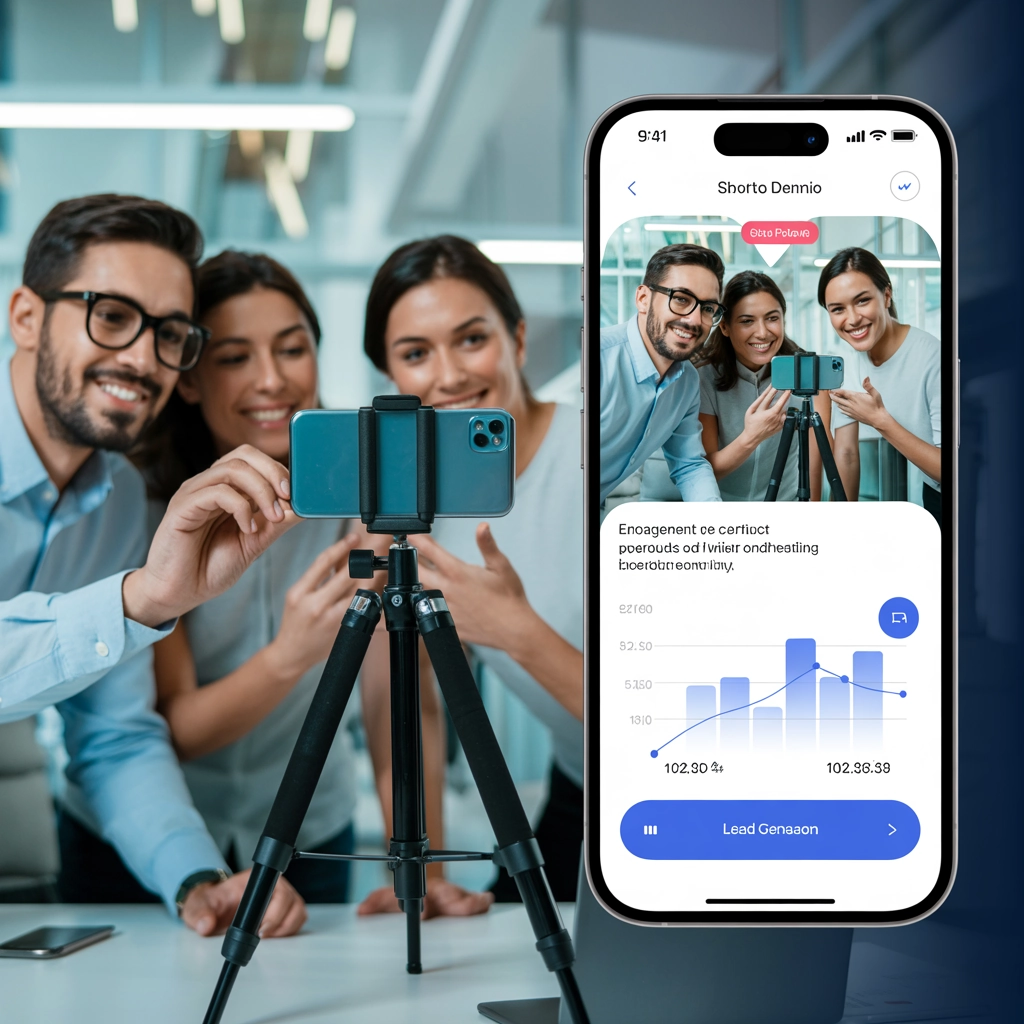
In an era where the average attention span continues to shrink, short form video has emerged as the ideal medium for capturing audience interest. What began with TikTok has evolved into a cross platform standard, with most major social networks prioritizing vertical, snappy content under 60 seconds.
The numbers tell the story: users consume an average of 53 minutes of short form video content daily across platforms. Content under 15 seconds sees completion rates of over 70%, compared to just 24% for videos longer than two minutes. For marketers, this means unprecedented opportunities to deliver complete messages that actually get seen.
Platform Specific Strategies That Drive Results
Different platforms require different approaches to short form video:
- TikTok remains the leader in algorithm driven discovery, making it an ideal platform for top of funnel awareness. The platform’s recent addition of direct shopping links has increased conversion rates by 28% year over year for brands using these features.
- Instagram Reels: Offers the highest engagement to conversion ratio, particularly when paired with Instagram’s robust shopping features. B2C companies report a 41% higher return on investment (ROI) on Reels compared to standard posts.
- LinkedIn Video: While often overlooked, short form professional content on LinkedIn generates 3x more engagement than text posts, making it particularly valuable for B2B lead generation.
- YouTube Shorts: Provides the strongest long term discovery potential through search, with shorts appearing prominently in Google results.
B2B Applications: Beyond Consumer Products
Contrary to popular belief, short form video isn’t just for consumer brands. B2B companies leveraging these formats report 47% higher engagement rates compared to traditional content marketing approaches.
Successful B2B strategies include:
- Quick product demonstrations highlighting key features
- Customer testimonials condensed to the most impactful 30 seconds
- Industry insights and trend forecasts delivered in digestible chunks
- Day in the life content that humanizes the brand
“We’ve seen B2B companies triple their qualified leads by creating short, educational videos that address specific pain points rather than generic brand content,” explains Jordan Martinez, B2B Marketing Strategist at Mixed Media Ventures.
Social Shopping: Eliminating Friction in the Buyer’s Journey
The Seamless Purchase Revolution
Social shopping has evolved from simple product tags to fully integrated purchasing experiences that never require users to leave the social platform. This elimination of friction points has transformed how consumers make buying decisions.
The average social shopping conversion path has shortened from 7.4 touchpoints in 2023 to just 3.2 in 2025. When customers can move from discovery to purchase within seconds, lead generation and conversion become nearly simultaneous events.
Platform Capabilities Transforming Commerce
Each platform offers unique social shopping features:
- Instagram Shop: Now features AI powered recommendations based on user behavior and network connections, increasing discovery of relevant products by 59%.
- TikTok Shop: The fastest growing social commerce platform, with live shopping events generating 8x the conversion rate of standard video content.
- Pinterest Shopping still dominates in purchase intent, with users 7 times more likely to buy products discovered on the platform compared to other social networks.
- YouTube Shopping: Integration with Google’s shopping ecosystem creates powerful cross channel attribution and remarketing opportunities.
B2B Social Shopping: It’s Real and It’s Growing
While consumer products dominate social shopping, B2B companies are finding innovative applications. Professional service firms report a 32% increase in qualified leads when using “book now” or “schedule consultation” features directly in social content.
SaaS companies have successfully implemented trial sign ups and demo requests through social shopping integrations, reducing the cost per lead by an average of 27% compared to traditional landing page conversions.
The Power Duo: When Short Form Video Meets Social Shopping
Creating the Perfect Conversion Ecosystem
When short form video and social shopping merge, they create a uniquely powerful ecosystem for lead generation. The emotional engagement of video content, paired with frictionless purchasing, creates what marketing psychologists call “impulse conversion opportunities,” moments when interest and action can occur almost simultaneously.
Companies implementing both strategies in concert report:
- 63% higher conversion rates
- 41% lower cost per acquisition
- 27% increase in average order value
- 52% improvement in first time buyer metrics
Practical Implementation: A Framework for Success
To effectively implement this power duo strategy:
- Content Strategy Alignment: Ensure video content naturally leads to shopping opportunities without feeling forced.
- Platform Prioritization: Focus on platforms where your audience already demonstrates both engagement and purchasing behavior.
- Testing Cycle Implementation: Establish 7 -14 day testing cycles to optimize content formats, timing, and calls to action.
- Cross Functional Teams: Break down silos between content creators, paid media specialists, and sales teams.
- Measurement Infrastructure: Implement proper attribution models that capture the whole customer journey across content viewing and purchasing touchpoints.
“The brands seeing the most success are those treating social video and shopping as an integrated ecosystem rather than separate tactics,” notes Alicia Thompson, E commerce Director at [a major retail brand]. “When content naturally flows into commerce, it doesn’t feel like selling, it feels like service.”
B2C Case Study: Retail Revolution
A mid sized fashion retailer implemented a strategy that combined 15 second styling videos with direct product links, enabling viewers to purchase complete outfits with a single tap. The results were dramatic:
- 217% increase in conversion rate
- 43% decrease in cost per acquisition
- 68% of purchases came from first time customers
B2B Case Study: Software Success
A B2B software company created a series of problem solution videos under 30 seconds, each ending with a one click demo scheduling option. The campaign generated:
- 189% more qualified leads than traditional webinar promotions
- 47% reduction in sales cycle length
- 28% higher average contract value

Overcoming Common Implementation Challenges
Content Creation at Scale
Creating high quality short form video consistently remains a significant challenge. Successful organizations are addressing this through:
- Content Atomization: Breaking longer content into multiple short form assets
- User Generated Content Programs: Leveraging employees and customers as content creators
- Template Based Approaches: Creating flexible frameworks that maintain brand consistency while enabling rapid production
Measurement and Attribution
The compressed timeframe between discovery and purchase can complicate attribution models. Leading organizations are implementing:
- Multi Touch Attribution Models: Accounting for all touchpoints in increasingly short customer journeys
- Platform Specific Pixels: Ensuring proper tracking across walled garden environments
- First Party Data Strategies: Building robust profiles that connect social engagement to purchasing behavior
Integration with Existing Marketing Stacks
For many organizations, particularly in B2B, integrating these new approaches with existing marketing technology presents challenges. Successful companies are:
- Conducting Platform Audits: Evaluating current tech stacks for integration capabilities
- Implementing Middleware Solutions: Using API connectors to bridge gaps between social platforms and CRM/marketing automation
- Retraining Teams: Ensuring marketing staff understand both the strategic and technical aspects of these new channels
Future Trends… What’s Next for 2026 and Beyond
AI Enhanced Social Shopping
Artificial intelligence is rapidly transforming how social shopping functions, with developments including:
- Visual Search Integration: Allowing users to find and purchase products they see in any video content
- Personalized Micro Videos: AI generated product demonstrations tailored to individual user preferences
- Predictive Shopping Feeds: Anticipating needs based on behavior patterns and serving relevant product content
Companies such as AI Influencer Pro are emerging rapidly to help you sell more of your products via social shopping and better showcase your product lines on a budget.
Virtual Try Before You Buy
Augmented reality features are becoming standard in social shopping experiences:
- Virtual Try On: Now extending beyond cosmetics and fashion to home goods and even B2B products
- Spatial Commerce: Allowing users to visualize products in their actual environments
- Digital Twin Sampling: Creating virtual representations of physical products for testing and customization
Social B2B Procurement
The B2B space is seeing significant evolution in how social platforms facilitate purchasing:
- Team Buying Experiences: Collaborative features allowing multiple stakeholders to evaluate products together
- Specification Matching: AI tools that match product specifications to buyer requirements in real time
- Compliance Ready Purchasing: Streamlined procurement processes that maintain organizational purchasing policies

Implementing Your Strategy: Next Steps
As you consider implementing these powerful lead generation approaches, remember that success depends on thoughtful integration rather than hasty adoption.
Start by:
- Auditing Your Current Approach: Evaluate existing lead generation methods and identify gaps where these new approaches could enhance results.
- Platform Analysis: Determine where your audience is most active and which platforms offer the most relevant shopping features for your products or services.
- Content Capability Assessment: Honestly evaluate your organization’s ability to create short form video content consistently and develop a realistic production roadmap.
- Technical Preparation: Ensure your website, product catalog, and CRM systems can integrate with social shopping platforms through proper API connections and data structures.
- Measurement Framework: Establish clear KPIs and attribution models before launching to ensure proper evaluation of results.
The Competitive Advantage of Acting Now
Organizations that successfully implement social shopping and short form video strategies aren’t just generating more leads they’re fundamentally changing how customers discover and engage with their brands. The compressed nature of these interactions yields efficiency gains that directly translate to improved marketing ROI and accelerated revenue growth.
For B2C companies, these approaches foster emotional connections that drive both immediate conversions and long term loyalty. For B2B organizations, they cut through the noise of overcrowded channels and deliver messages that resonate with decision makers, who are increasingly accustomed to consumer grade experiences.
The gap between early adopters and laggards in this space continues to widen. Companies that move decisively now position themselves for significant competitive advantage as these trends accelerate through 2025 and beyond.
Ready to transform your lead generation strategy with the power duo of social shopping and short form video? Contact our team at Mixed Media Ventures for a personalized consultation on implementing these approaches for your specific business needs.