Listen to the Podcast on the Go, Here.
Introduction: Beyond Pretty Pixels
In today’s digital landscape, having a beautiful website is no longer enough. While aesthetically pleasing designs catch the eye, they don’t necessarily capture conversions. The uncomfortable truth many businesses face is that their visually stunning websites are failing to generate meaningful business results.
At Mixed Media Ventures, we’ve seen countless examples of gorgeous websites that function as little more than digital brochures rather than powerful sales engines. This is where the sales based approach to web design comes in a methodology that treats your website not just as a digital storefront but as your most hardworking salesperson.
“The best websites don’t just showcase products or services they methodically guide visitors through a carefully crafted journey from awareness to decision,” says Jack Brandt, President of Mixed Media Ventures. “Every element, from the homepage hero section to the contact form, should serve a strategic purpose in moving visitors closer to conversion.”
In this comprehensive guide, we’ll explore how businesses across any industry can transform their websites from passive information hubs into active conversion machines. Let’s dive into the strategies, elements, and mindset shifts required to turn casual clicks into committed customers.
Understanding the Digital Sales Funnel
Before we can design a website that sells, we need to understand how the traditional sales funnel translates to the digital realm. The classic awareness consideration decision model takes on new dimensions when applied to web design.
Mapping the Customer Journey to Web Pages
Every successful sales focused website begins with a clear mapping of the customer journey. This means understanding:
- Awareness Stage: Pages and content that attract visitors and introduce your brand (blog posts, landing pages, social media feeds)
- Consideration Stage: Resources that demonstrate your expertise and differentiate your offerings (case studies, product comparisons, detailed service pages)
- Decision Stage: Elements that facilitate conversion (product pages with clear pricing, appointment schedulers, contact forms)
- Retention Stage: Features that encourage repeat business (customer portals, exclusive content, loyalty programs)
By organizing your website architecture to mirror this journey, you create a logical pathway that guides visitors toward conversion. Each page should have a clear purpose within this framework, with intentional next steps for users to take.
The Seven Pillars of Sales Driven Web Design
A truly effective sales based website incorporates seven fundamental elements that work together to convert visitors into customers:
1. Strategic Homepage Design
Your homepage isn’t just your digital front door it’s your most valuable real estate for capturing interest and directing traffic. The most successful sales oriented homepages include:
- A compelling value proposition above the fold that communicates your unique benefits within seconds
- Clear navigation that guides different user types to relevant sections
- Strategic CTAs that offer logical next steps based on visitor intent
- Social proof elements (testimonials, client logos, review scores) that build immediate credibility
- Problem/solution framing that resonates with visitor pain points
“Homepage design should balance inspiration with direction,” notes Brandt. “Visitors should immediately understand what you offer, why it matters to them, and where they should click next.”
2. Persuasive Visual Hierarchy
The human eye follows predictable patterns when scanning web pages. Sales based design leverages this behavior by creating visual hierarchies that:
- Emphasize the most important elements through size, color, and positioning
- Create natural reading flows that lead to conversion points
- Balance text and visuals to maintain engagement
- Use whitespace strategically to prevent overwhelm and highlight key elements
- Employ contrast and movement to direct attention to primary CTAs
Studies consistently show that strategic visual hierarchy can increase conversion rates by 10 – 30% compared to designs that lack intentional eye flow patterns.

3. Compelling Copy That Converts
Words matter tremendously in sales based web design. Effective website copy:
- Addresses visitor pain points directly and empathetically
- Focuses on benefits rather than features
- Uses action oriented language that creates momentum
- Incorporates proven persuasion principles (scarcity, social proof, authority)
- Maintains clarity and concision while telling a compelling story
Remember that different pages require different copy approaches. Homepage messaging should capture attention quickly, while service pages may require more detailed explanations to overcome objections and build confidence.
4. Strategic Call to Action Placement
CTAs represent the critical conversion points throughout your website. A sales based approach treats these elements with particular care:
- Primary CTAs should stand out visually through color contrast and size
- Each page should have a clear primary action that aligns with the visitor’s likely stage in the sales funnel
- Secondary CTAs provide alternative paths for visitors who aren’t ready for the primary action
- Button text should use specific, benefit focused language rather than generic terms
- CTAs should appear at logical decision points throughout long form content
Effective CTA design isn’t about manipulation it’s about providing clear pathways for visitors who are ready to take the next step in their journey with your brand.
5. User Centric Navigation Systems
Navigation directly impacts how easily visitors can find what they’re looking for and by extension, how likely they are to convert. Sales oriented navigation:
- Prioritizes high value pages and conversion points
- Uses clear, benefit focused labels rather than internal jargon
- Incorporates search functionality for visitors who know what they want
- Includes persistent contact options for those ready to connect
- Adapts intelligently to different devices and screen sizes
“Many businesses make the mistake of organizing their navigation based on their internal company structure rather than customer needs,” explains Brandt. “Your services menu should reflect how customers think about their problems, not how you’ve structured your departments.”
6. Trust Building Elements
Trust is the currency of online conversion. Strategic placement of trust elements throughout your website can dramatically impact conversion rates:
- Client testimonials and case studies demonstrating real results
- Industry certifications and partnerships that validate expertise
- Security badges and guarantees that reduce perceived risk
- Media mentions and awards that establish authority
- Transparent pricing and policies that prevent unpleasant surprises
The most effective approach integrates these trust elements throughout the site rather than isolating them on a single “testimonials” page that visitors may never see.
7. Data Informed Optimization
Finally, a truly sales based approach to web design embraces continuous improvement through:
- Regular analysis of user behavior via heat mapping and session recording
- A/B testing of critical elements like headlines, CTAs, and page layouts
- Conversion rate tracking across different traffic sources and user segments
- User testing to identify friction points in the conversion process
- Iterative refinements based on quantitative and qualitative insights
“Web design is never truly ‘done’ when you’re focused on sales,” says Brandt. “The most successful businesses treat their websites as living systems that continuously evolve based on visitor behavior and market conditions.”

Industry Specific Applications
While the core principles of sales based web design apply universally, implementation details vary across industries. Let’s explore how these concepts translate to different business contexts:
E commerce: Beyond the Product Grid
For online retailers, sales based design extends far beyond attractive product galleries:
- Product pages that address common objections through detailed specifications, comparison charts, and user generated content
- Cart and checkout processes stripped of distractions and friction points
- Strategic cross selling and upselling opportunities based on browsing behavior
- Personalization features that surface relevant products based on past interactions
- Abandoned cart recovery mechanisms that recapture lost sales opportunities
In the competitive e commerce landscape, these elements can mean the difference between thriving and merely surviving.
Service Businesses: Building Confidence and Clarity
Service providers face unique challenges in conveying intangible value propositions:
- Detailed service descriptions that transform abstract offerings into concrete benefits
- Process explanations that demystify how you work and what clients can expect
- Pricing frameworks that provide transparency while maintaining flexibility
- Team showcases that humanize your brand and highlight expertise
- Portfolio elements that demonstrate capabilities through tangible examples
Service businesses must work especially hard to overcome the “uncertainty barrier” that prevents prospects from taking the leap from consideration to decision.
B2B Companies: Supporting Complex Decision Processes
For businesses selling to other businesses, websites must support longer, more involved buying journeys:
- Resource centers containing white papers, case studies, and industry analyses
- ROI calculators and other tools that help prospects build internal business cases
- Gated content that generates qualified leads while providing genuine value
- Detailed partner and integration information for technical decision makers
- Clear pathways for different stakeholders involved in the purchasing process
B2B websites must often speak to multiple audiences simultaneously, from C suite executives concerned with strategic fit to technical evaluators assessing implementation requirements.
Mobile Optimization: The Non Negotiable Element
No discussion of sales based web design would be complete without addressing mobile optimization. With mobile traffic now accounting for over 50% of web visits across most industries, mobile first design isn’t just a preference it’s a business imperative.
True mobile optimization goes beyond responsive layouts to include:
- Touch friendly navigation and interaction elements
- Streamlined forms that minimize typing requirements
- Click to call functionality for immediate connection
- Page speed optimizations that prevent abandonment
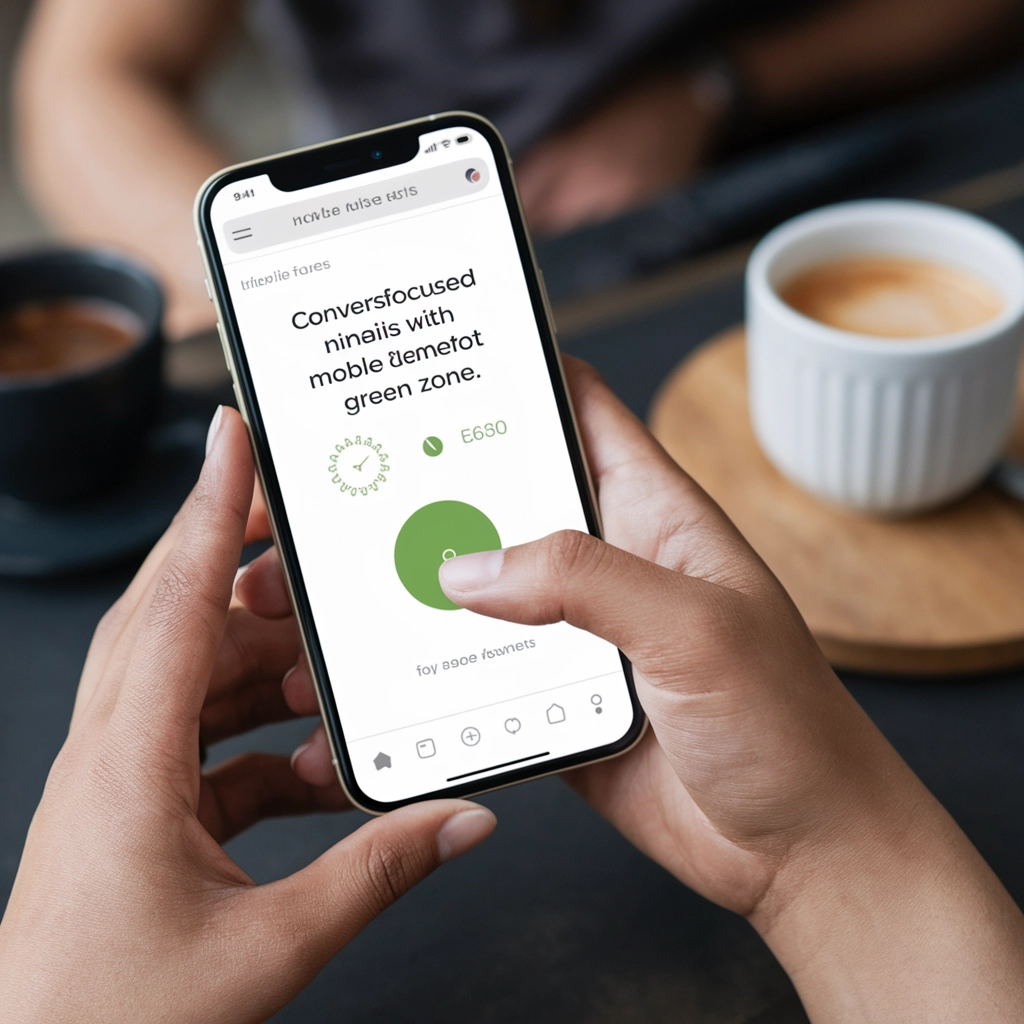
- Thumb zone mapping for critical interactive elements
“Mobile users often have different intent patterns than desktop visitors,” notes Brandt. “A properly sales optimized website recognizes these differences and adapts accordingly, rather than simply shrinking desktop layouts to fit smaller screens.”
Common Pitfalls in Sales Based Web Design
Even businesses that embrace a sales oriented approach can fall into common traps that undermine their conversion potential:
1. Form Over Function
Prioritizing visual trends or flashy animations at the expense of usability and clarity. While aesthetic appeal matters, it should never interfere with the core purpose of guiding visitors toward conversion.
2. Conversion Tunnel Vision
Focusing so intensely on immediate conversion that you neglect the needs of visitors earlier in their journey. A truly effective sales website provides value at every stage, building relationships with prospects who aren’t yet ready to buy.
3. Neglecting Post Conversion Experience
Treating the sale or lead submission as the endpoint rather than the beginning of an ongoing relationship. The most successful businesses design post conversion experiences with the same care as pre conversion pathways.
4. Insufficient Testing and Iteration
Making design decisions based on assumptions rather than data, or failing to test critical elements regularly. Sales based design requires a commitment to continuous improvement through systematic testing.
5. Technical Debt Accumulation
Allowing site speed, mobile responsiveness, or security to degrade over time. Technical performance directly impacts conversion rates and must be maintained as diligently as visual design.
Measuring Success: KPIs for Sales Based Websites
How do you know if your sales based design approach is working? While revenue is the ultimate metric, several key performance indicators can provide earlier insights:
- Conversion Rate: The percentage of visitors who take desired actions
- Average Order Value: For e commerce, the typical transaction size
- Cost Per Acquisition: How much you spend to acquire each customer
- Bounce Rate: The percentage of visitors who leave without engaging
- Time on Site: How long visitors spend exploring your content
- Pages Per Session: How deeply visitors navigate into your site
- Return Visitor Rate: How many people come back for multiple visits
Tracking these metrics over time provides a comprehensive picture of how well your website is functioning as a sales tool, beyond simple traffic numbers.
The Future of Sales Based Web Design
As technology evolves, sales based web design continues to incorporate new capabilities:
- AI Powered Personalization: Dynamically adapting content and offers based on visitor behavior and characteristics
- Conversational Interfaces: Chatbots and voice interfaces that guide visitors through the sales process in a more natural way
- Augmented Reality: Allowing visitors to visualize products in their own spaces before purchasing
- Predictive Analytics: Anticipating visitor needs based on behavioral patterns
- Micro Interactions: Subtle animated responses that provide feedback and encouragement throughout the conversion process
While these technologies offer exciting possibilities, they’re most effective when applied within a solid foundation of sales focused design principles.
Conclusion: Your Website Is Your Best Salesperson
In today’s digital first business environment, your website isn’t just a marketing asset it’s potentially your most valuable sales resource. By adopting a sales based approach to web design, you transform your digital presence from a passive information repository into an active conversion engine that works 24/7 to turn visitors into customers.
The most successful websites seamlessly blend aesthetics with strategy, creating experiences that are both visually appealing and commercially effective. They guide visitors naturally toward conversion points while providing genuine value at every step of the journey.
At Mixed Media Ventures, we specialize in creating websites that don’t just look good they perform. Our team combines design expertise with deep sales and marketing knowledge to build digital experiences that drive measurable business results across any industry.
Ready to transform your website from a digital brochure into your hardest working salesperson? Contact us today to learn how our sales based approach to web design can help your business convert more clicks into customers.